See Temple
Senso-ji
Asakusa, 6.8 miles from Aomi
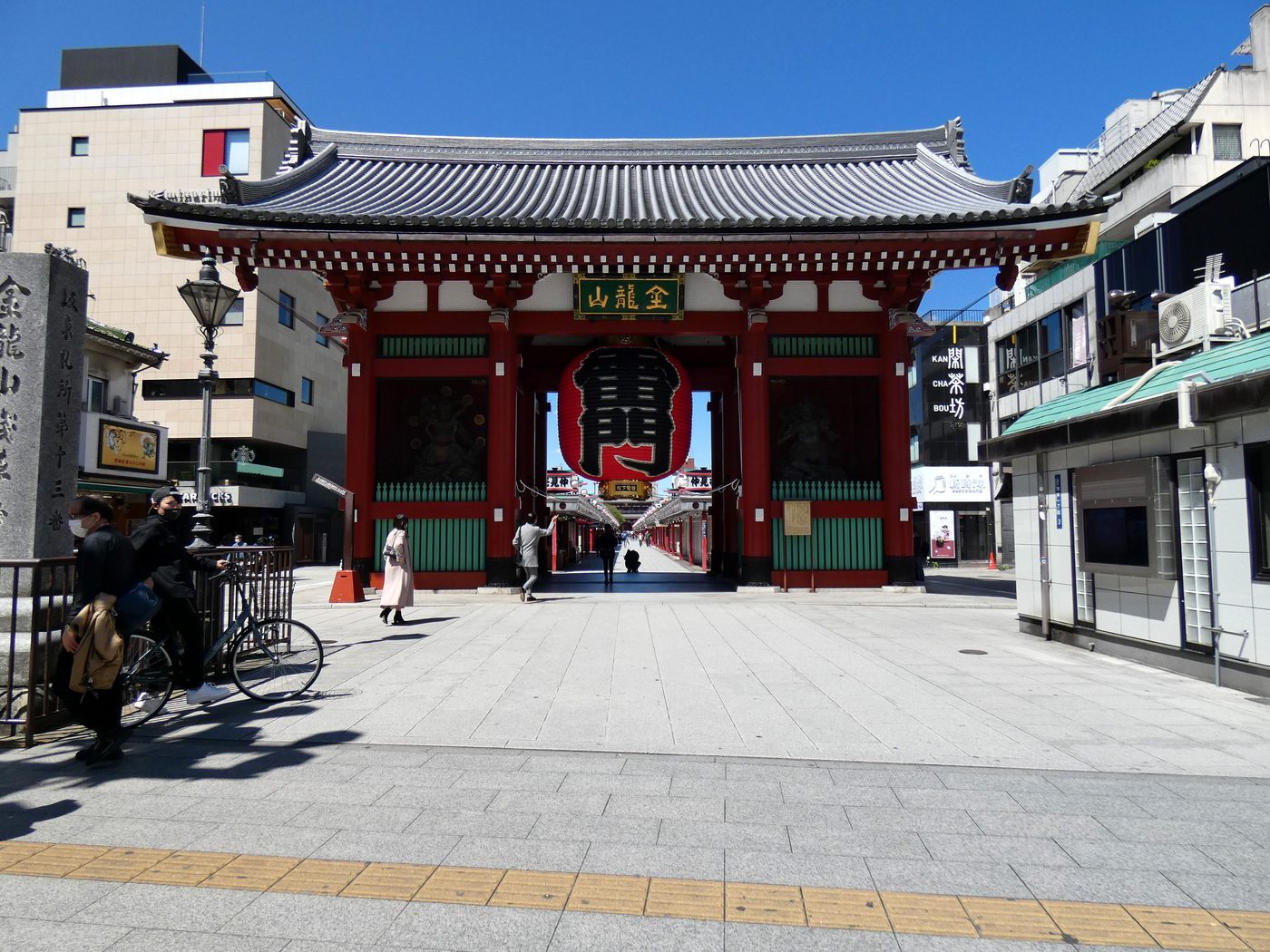
Senso-ji is the oldest temple in Tokyo. The temple says it draws 30 million worshippers a year.
Visit Senso-ji’s Website (opens a new tab)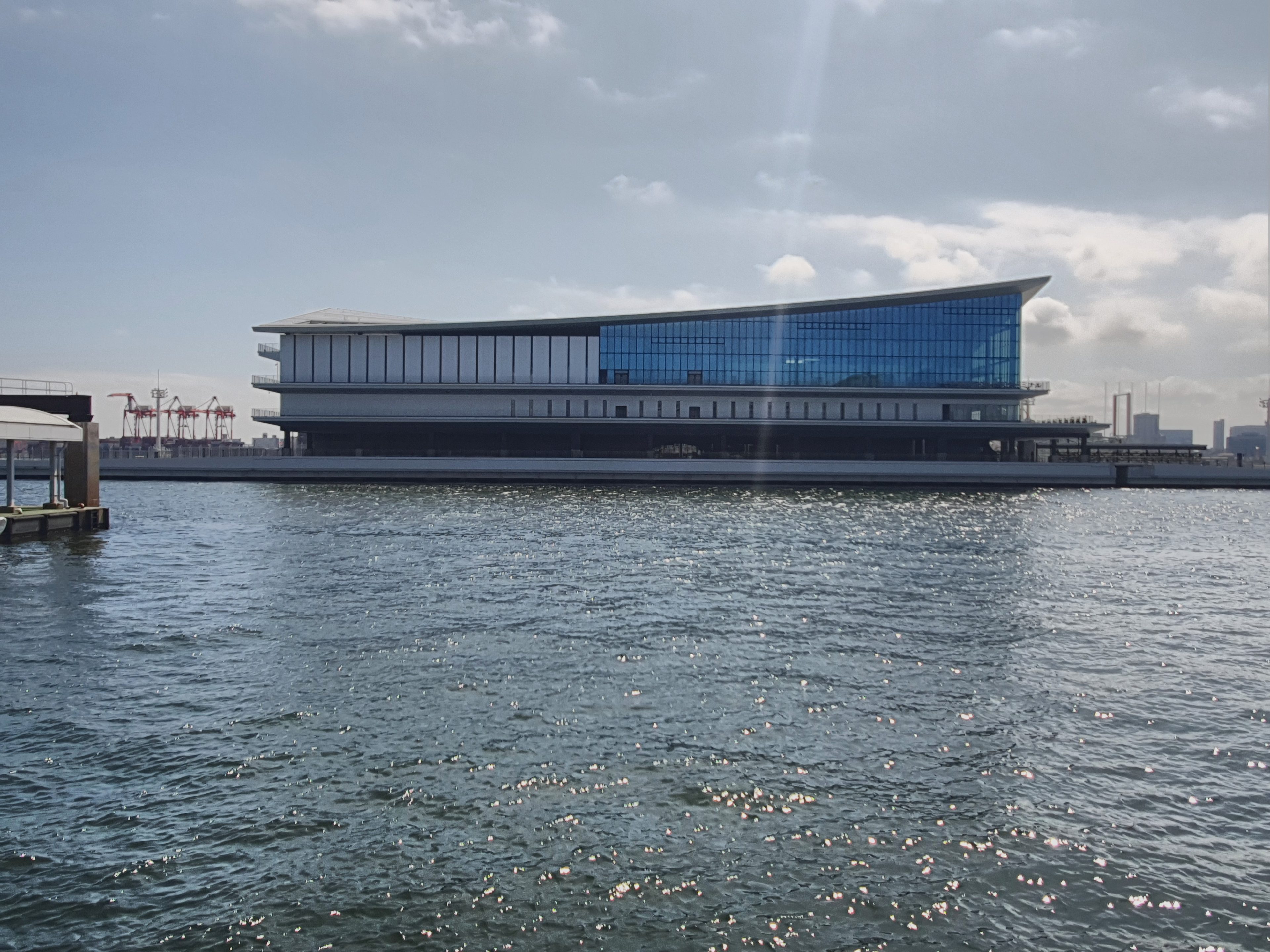
We may earn a commission when you book through links on this page.
Tokyo Bay · Japan
Japan’s capital, from ancient temples to the water’s edge.
Ride a water bus up the Sumida River to Senso-ji, Tokyo’s oldest temple, eat your way along Tsukiji Outer Market and walk through water at teamLab Planets.
We may earn a commission when you book through links on this page.
See Temple
Asakusa, 6.8 miles from Aomi
Senso-ji is the oldest temple in Tokyo. The temple says it draws 30 million worshippers a year.
Visit Senso-ji’s Website (opens a new tab)Unwind Garden
Chuo-ku, 4.6 miles by road from Aomi
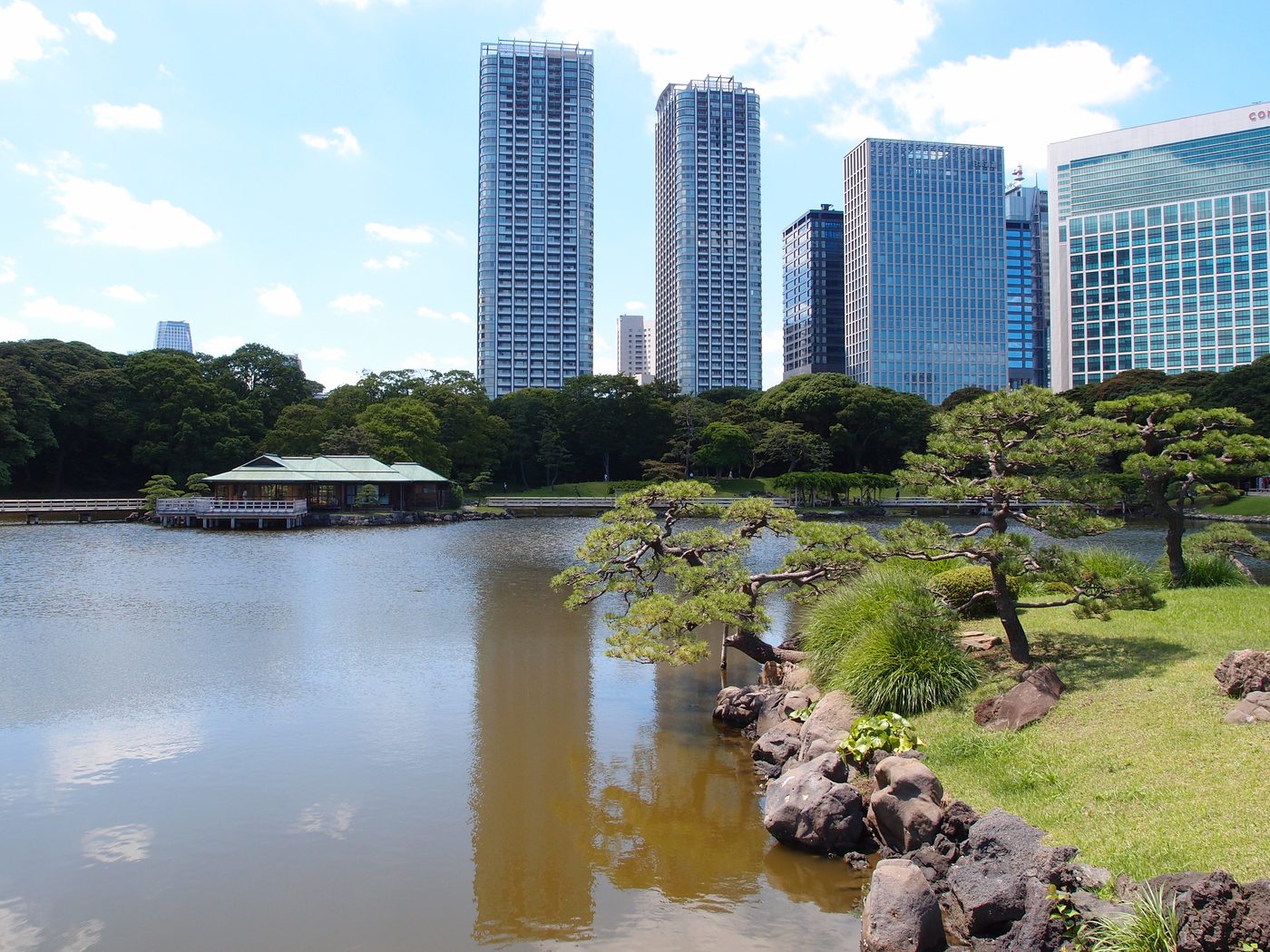
An Edo-period garden whose pond once filled with seawater from the bay, planted with black pines. Entry is ¥300; open 9 a.m. to 5 p.m., last entry 4:30 p.m.
See Hamarikyu Gardens Hours (opens a new tab)Taste Market
Chuo-ku, 3.3 miles from Aomi
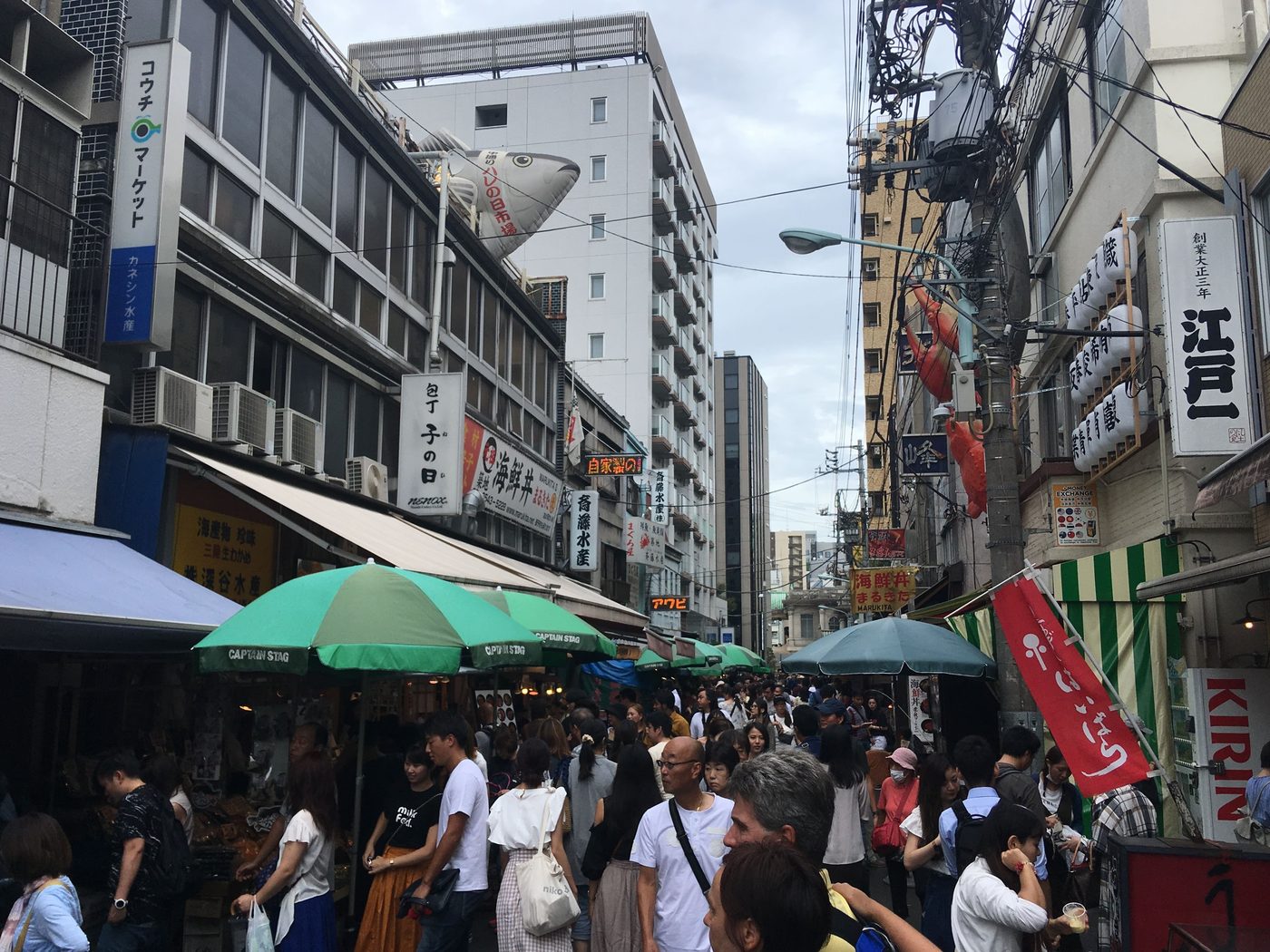
The wholesale market moved to Toyosu in 2018, but the outer market’s food and kitchen-goods sellers stayed. Try street snacks from omelettes to rice balls.
Read the Japan Travel Guide (opens a new tab)Explore Art
Toyosu, 2.4 miles from Aomi
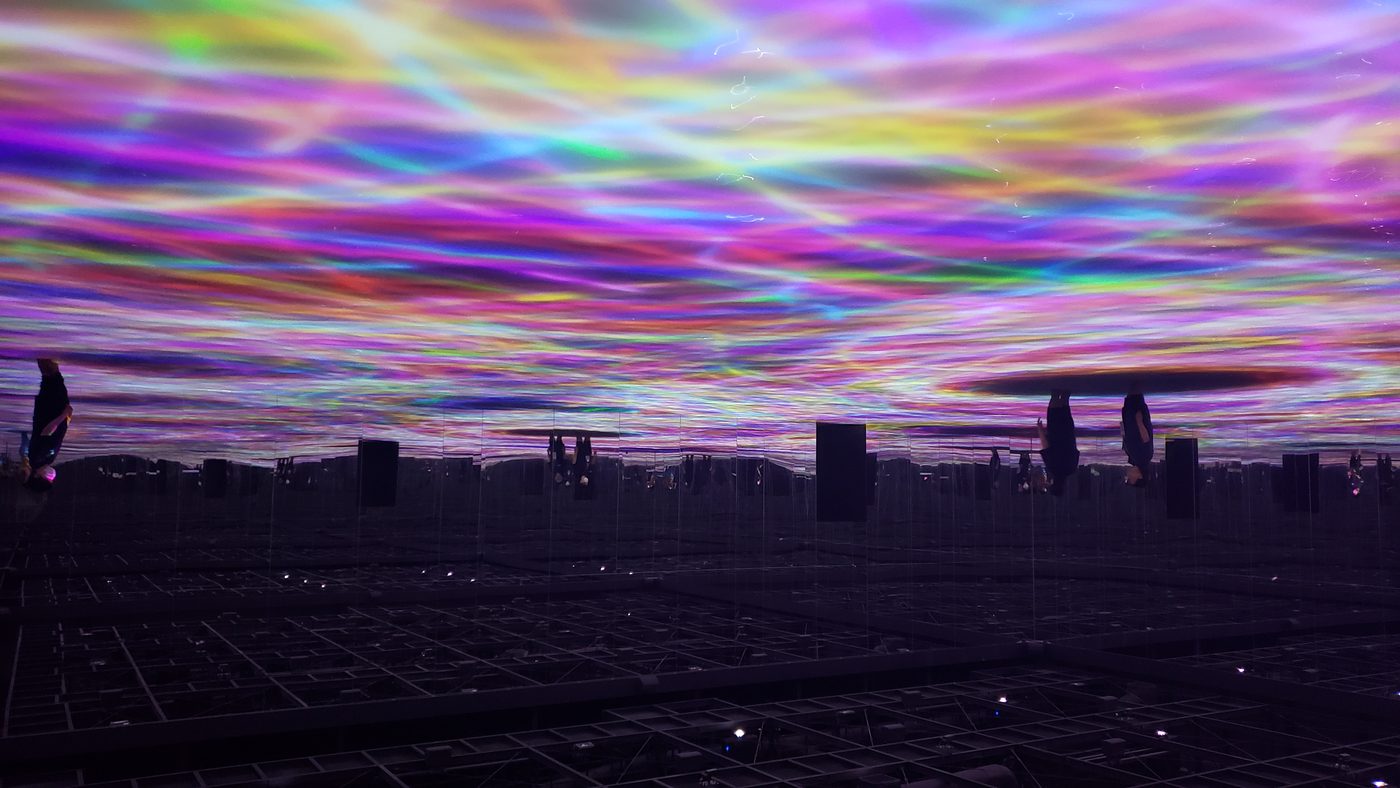
teamLab calls it a museum where you walk through water. Its nearest station, Shin-Toyosu, is on the same Yurikamome line as the Aomi terminal.
Visit teamLab Planets (opens a new tab)Skip the excursion desk
Your terminal decides the route: Aomi has a Yurikamome station nearby, while Harumi has a free cruise-day shuttle.
Haneda is much closer than Narita: about 25 minutes by car from the Aomi terminal, against about an hour.
On ship days, every bus, taxi, hire car or private car entering either terminal to drop off or collect passengers needs an advance entry reservation, and private cars may stay 15 minutes. At Aomi, park at the Second Car Park (84 cars): ¥500 for the first hour, then ¥100 per 30 minutes, with a daily maximum of ¥1,000 on weekdays and ¥1,600 on weekends and holidays. You may leave a car there while you cruise only if your ship sails from and returns to Aomi. An overflow lot near Aomi station, open for some sailings, charges ¥2,000 a day, cash, paid in advance. When that lot is open, you cannot leave a car at the Second Car Park, and MSC Bellissima and Costa Serena sailings have their own parking rules: check the terminal's notice for your date.
If you do one thing here
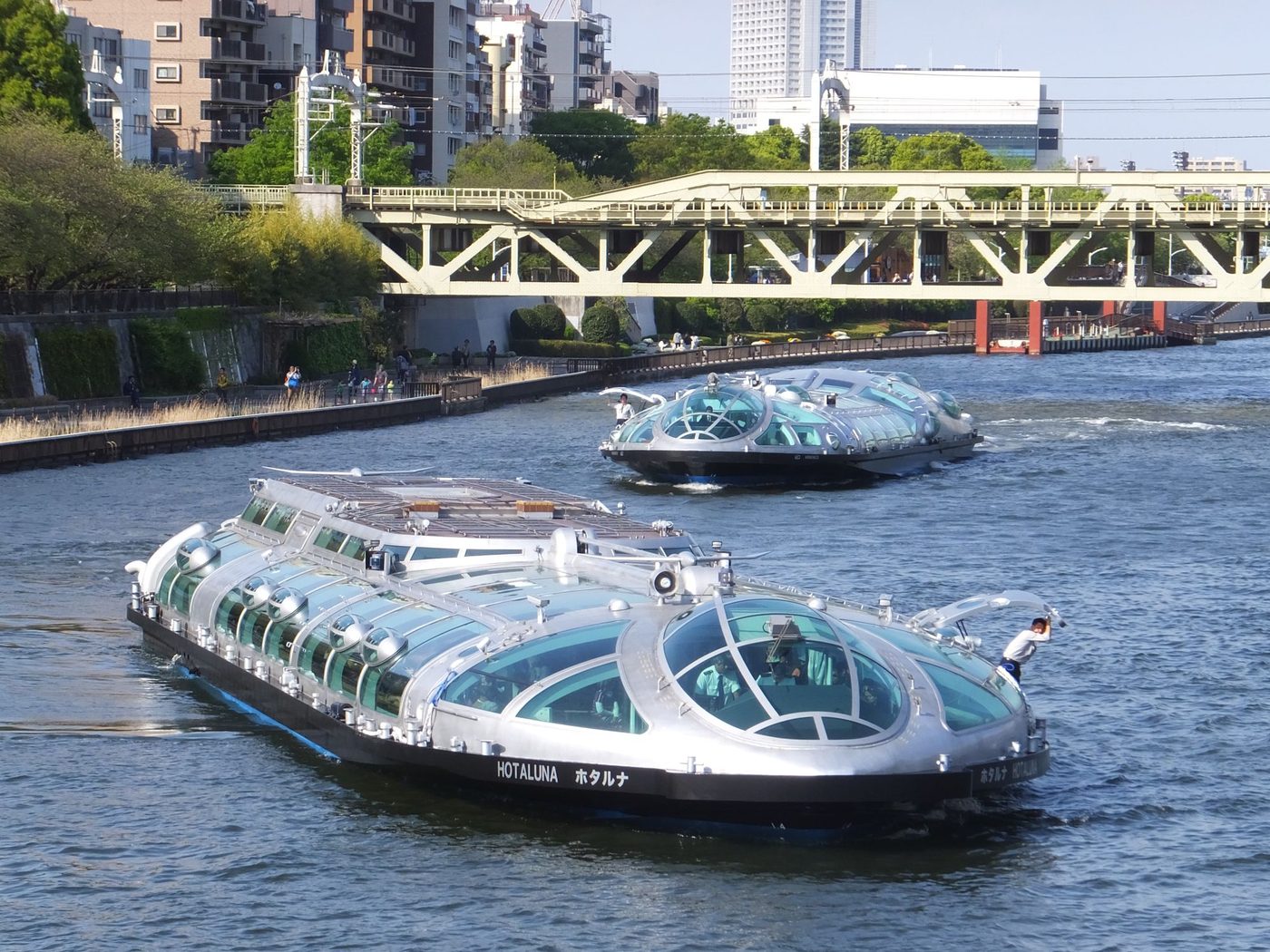
Tokyo Cruise Ship runs water buses on the Sumida River from Asakusa to Hamarikyu and Hinode Pier. Asakusa to Hamarikyu costs ¥1,180 for adults, takes about 35 minutes and includes entry to Hamarikyu Gardens. Asakusa to Hinode Pier costs ¥1,000, or ¥1,400 on the Hotaluna, and takes about 40 minutes.
The timetable lists two Asakusa to Hamarikyu boats a day, at 11:40 a.m. and 2:20 p.m. Boats may be cancelled without notice in bad weather.
Crime runs a little above Japan’s average, and September and October bring the most rain.
Crime figures: National Police Agency, recognized penal-code offenses 2025, per 100,000 people. Weather: Japan Meteorological Agency, Tokyo 1991–2020 normals, converted by us. Typhoons: JMA tropical cyclone normals, 1991–2020.
Make it part of your voyage
Search sailings from Tokyo, or find cruises that call here.
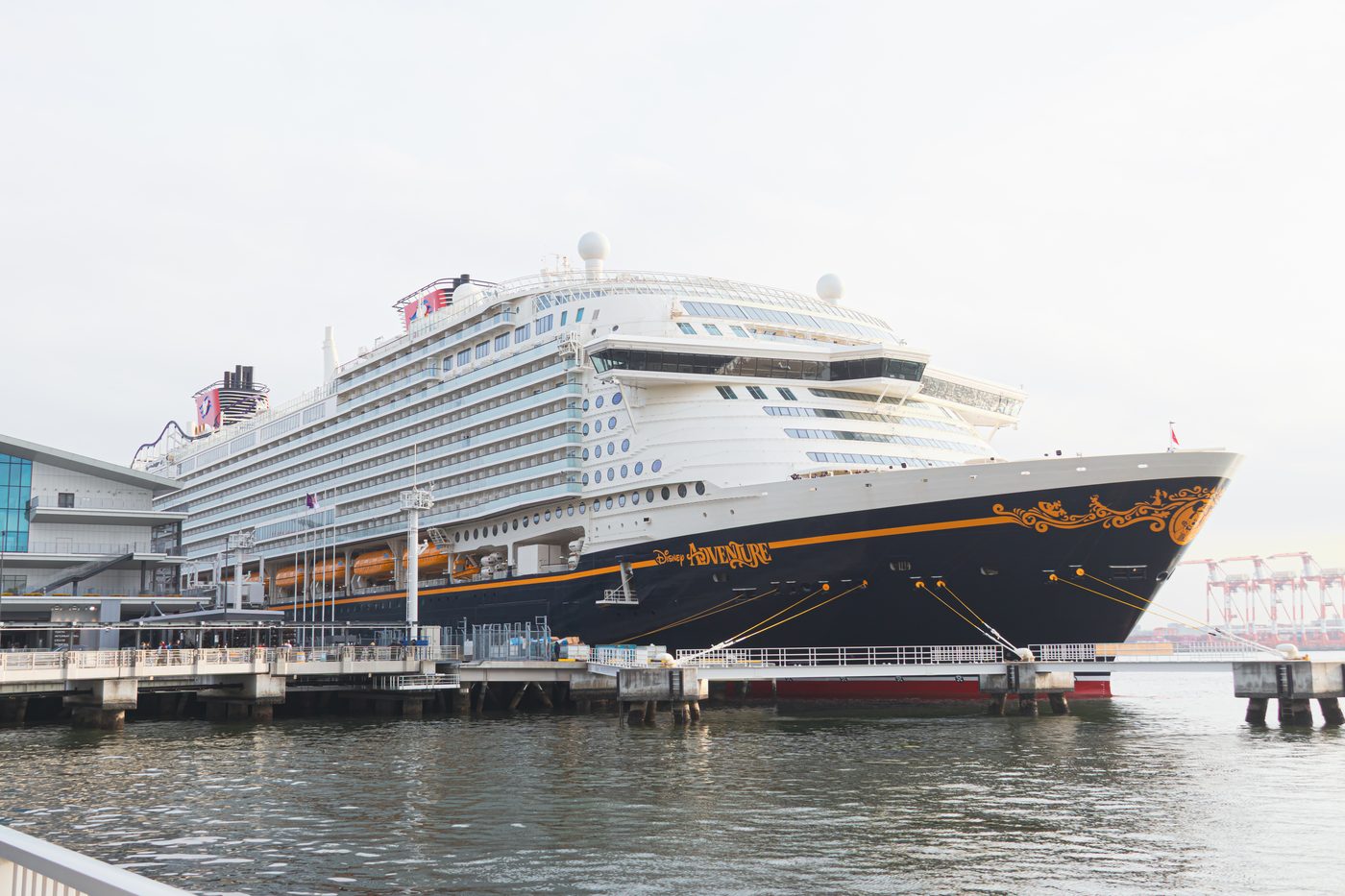
At one of two terminals. Large ships mainly use Tokyo International Cruise Terminal at Aomi. Harumi Passenger Ship Terminal takes ships of about 70,000 gross tons or less. The operator says passengers often go to the wrong one, so check the terminal your cruise line names.
Tokyo International Cruise Terminal is at Aomi 2-chome, Koto-ku, Tokyo 135-0064. Harumi Passenger Ship Terminal is at Harumi 5-7-1, Chuo-ku, Tokyo 104-0053. Car navigation maps from before 2020 cannot find the Aomi terminal.
The Tokyo Bureau of Port and Harbor publishes a call schedule as an online dashboard, linked from its cruise page in Japanese. The terminal operator also lists arrivals and tells you to check the ship name and terminal name.
From Aomi, walk 8 minutes to the Yurikamome station, ride about 20 minutes to Shimbashi (¥390), then take the JR line about 3 minutes to Tokyo Station. From Harumi, Toei bus 05-1 takes about 30 minutes. By car it is about 25 minutes from Aomi and about 20 from Harumi.
Since 20 April 2026 the top metered fare in Tokyo’s 23 wards is ¥500 for the first 0.6 mile, then ¥100 for each further 0.14 mile, plus ¥100 per 1 minute 25 seconds in slow traffic. The Kanto Transport Bureau sets the distances in metric units; the miles are our conversion.
About 25 minutes by car from either terminal. By train to Aomi, allow about an hour: about 30 minutes to Shimbashi, about 20 on the Yurikamome and an 8-minute walk.
By car, Narita is about 1 hour from Aomi and 1 hour 10 minutes from Harumi. By train to Aomi, allow about 1½ hours: the Narita Sky Access Express to Shimbashi takes about 1 hour 5 minutes, then the Yurikamome and the walk.
Not from Aomi: the nearest station is an 8-minute walk and the main sights are 2.4 to 6.8 miles away. From Harumi, Tsukiji Outer Market is about 1.9 to 2 miles on foot, and the Tokyo Metropolitan Government runs a free shuttle bus on cruise days.
Recorded crime is about 12% above Japan’s average: 700.7 offenses per 100,000 people in 2025 against 625.3 nationally. UK government advice says to take the same precautions you would at home.
UK government advice says Tokyo’s entertainment districts carry a higher risk of crime, particularly at night in and around clubs and bars.
Visit Senso-ji, Tokyo’s oldest temple, stroll Hamarikyu Gardens (¥300), eat at Tsukiji Outer Market or walk through water at teamLab Planets. The Sumida River water bus links Asakusa and Hamarikyu in about 35 minutes.
Daily highs average 50°F in January, 67°F in April, 88°F in August and 72°F in October. Rain peaks in September (8.9 inches) and October (9.2 inches).